Chicago kitchens work hard. Between lake effect winters that drive everyone indoors and small footprints in classic bungalows and vintage condos, the kitchen has to earn every inch. Remodeling while you still live at home is absolutely doable, but it requires a different kind of planning. You are not just building a new kitchen, you are managing dust, noise, storage, meals, kids, pets, and construction traffic while trying to function. After guiding projects across the city and close suburbs, from Bucktown walk-ups to Sauganash colonials, I have learned what makes living through a remodel manageable and what derails it.
Start with the constraints of Chicago homes
Older Chicago housing stock brings quirks you need to surface before you finalize design or schedule. Kitchens in pre-war apartments often have masonry walls and cast iron stacks in awkward places. Brick party walls and plaster over lath do not move easily. Floor systems in greystones can be out of level by an inch or more across a run, which affects cabinet installation and stone tops. If your building is a condo or co-op, your bylaws likely have strict work hours, elevator reservation rules, and protection requirements. If you are in a single-family home with a narrow lot, staging space and dumpster access may be limited. Each of these realities informs the living-through-it plan.
We also have seasonality. Demolition and rough work are fine in any season, but exterior vent penetrations, make-up air for high output hoods, or any electrical service work at the meter are simpler when it is not ten degrees with a stiff wind. Material lead times vary, but winter storms can delay deliveries and make daily site access a chore. If you intend to cook in a garage kitchenette, that is not realistic in January unless you heat and ventilate it properly.
Phase the project around a survivable routine
When you live in, you do not have the luxury of closing off half the house indefinitely. Create a construction sequence that protects essential functions. Many Chicago families set up a temporary galley in the dining room with a folding table, microwave, toaster oven, and induction hot plate. A compact countertop dishwasher connected to a nearby bathroom sink can keep dishes from piling up. You can make 80 percent of your meals with a microwave and a single induction burner if you plan well, especially during weeknights.
Scheduling matters. If you have school-age kids, push demolition to start right after a long weekend so you can prep and pack without burning PTO. Align the no-water days with times you can handle takeout. Rough-in inspections can be bunched the same week to minimize idle time. You want the cadence to favor short bursts of disruption rather than a slow bleed.
Dust, noise, and air quality are logistics, not afterthoughts
Dust control is the make-or-break factor for sanity. On the projects that stayed comfortable, we treated dust management as a separate scope with its own plan.
- Create a contained construction zone with floor-to-ceiling poly walls, zipper doors, and negative air machines vented outdoors. Add tack mats at entries to catch debris on boots. Protect supply and return vents in the work zone. If possible, set your HVAC fan to “on” with high-efficiency filters, but never pull dust through unprotected returns. Make cleaning a line item. A weekly professional clean inside the living zone keeps morale up and allergens down.
Noise is harder. If you work from home, ask your contractor for a noisy-work calendar. Demolition, concrete drilling for island plumbing, and hardwood sanding are the big offenders. Plan your most important calls during quieter scopes like cabinet install, backsplash work, or paint.
Budget choices shift when you stay in the home
Living-in projects often prioritize faster, cleaner methods because every extra day has a cost that is not captured in the contract. Cabinet painting versus replacement is a perfect example. If your frames are solid and your layout works, a high quality spray enamel or catalyzed lacquer can save money and reduce disruption by a week or more. Chicago clients in brick two-flats with original inset doors have had excellent results when the painter removes doors and drawers to spray off-site, then finishes frames in place over three to four days. If your doors are damaged, or you hate the overlay style, cabinet refacing, where you keep the boxes and install new doors and veneers, strikes a balance between cost, speed, and style.
Countertop selection also plays into live-in logistics. Natural stone like marble looks beautiful, but it is porous and will need sealing, which means a return visit after install. Engineered quartz installs cleanly and is ready for use quickly. Thinscape countertops, a modern alternative to traditional stone, can be lighter and easier for upper-floor installs where stairwells are tight. If your building elevator is small, that detail can decide the material. If you are evaluating how to choose the perfect kitchen countertop material for your home, consider not only aesthetics and durability, but how installation impacts your day-to-day while you are there.
A Chicago approach to storage and staging
Space is tight, yet you need room for materials and tools. On a Lincoln Park condo project, we arranged for a short-term storage pod on the street with a city permit. That held appliances and cabinet boxes until the floors were finished. In single-family homes with a yard, a small jobsite trailer keeps saws and fasteners outside the living zone. Your general contractor should stage deliveries so you are not drowning in boxes. Few things stress homeowners more than living in a maze of flat packs.
Inside, assign a single path for workers that does not cross your family’s morning routine. Lay ram board from the entry to the kitchen zone and leave a narrow corridor for household traffic. Keep your temporary kitchenette at least one room away from active demo to avoid cumulative dust. This small buffer maintains a sense of normal.
Permits, inspections, and realistic timelines
How long does a kitchen renovation actually take in Chicago? For a typical 120 to 180 square foot kitchen with new cabinets, appliances, tile, and lighting, you are usually looking at eight to twelve weeks once work begins, assuming permits are in hand and materials are on site. If you are opening walls, moving plumbing significantly, or adding a gas line for a range where there was none, plan for twelve to sixteen weeks with time for inspections. In some neighborhoods and multi-unit buildings, association approvals can add weeks before the city even sees drawings. The gap between rough inspections and cabinet install is where schedules tend to slide, especially if countertop templating cannot happen until cabinets are anchored.
The ultimate guide to kitchen remodeling costs in Chicago varies widely, but for live-in remodels, add contingency for cleaning, takeout, and a short-term hot plate or mini-fridge. Those soft costs usually run a few hundred to a couple thousand dollars depending on scope and family size. It is worth factoring this at the start so you do not resent the reality of eating pizza three nights in a row during plumbing rough-in.
The temporary kitchen that actually works
There is a difference between camping and functioning. Borrow a compact induction cooktop with two burners, not one. It heats fast, is safe around kids, and plugs into a standard outlet. Choose a large, covered trash can with a foot pedal to control odor. Line it with contractor bags and take trash out daily during demo weeks. Use clear bins to sort pantry staples so you can find everything without tearing apart your temporary setup.
Plan a weekly cook-and-freeze session before demo begins. Portion soups, sauces, and casseroles into flat freezer bags so they store neatly. You can thaw in water and finish on the hot plate. If you love your morning coffee ritual, guard it. Keep a small coffee station away from dust and make sure the circuit serving that outlet will not be turned off during electrical work. It sounds small, but it anchors your day.
Layout and design choices that speed the job
Some design decisions have outsized effects on live-in timelines. Water and vent stack locations in Chicago buildings often dictate the best layout. When homeowners insist on moving the sink across the room in a concrete-slab condo, we usually see days added for trenching or creative routing that needs engineer sign-off. In contrast, keeping the sink on the same wall, upgrading to a deeper base cabinet, and expanding the island gives you functional gains without scope creep.
Open shelving looks great in photos. When you are living through a remodel, think about dust. If you plan open shelves, install them after backsplash grout cures and the bulk of sanding is finished. We sometimes leave the wall prepped, then return for a one-day shelf install once the heavy dust work is past. This sequencing keeps your new items clean and preserves your patience.
Kitchen lighting design matters for safety while you live in the space. Add temporary work lights that clip to stands so evenings are bright enough for meal prep and homework. When it is time for final lighting, label each dimmer and switch clearly. Electricians appreciate the clarity, and it makes your first week back in the finished kitchen more intuitive.
Where Revive 360 Renovations saves your sanity on site setup
On projects run by Revive 360 Renovations, site setup gets the same attention as cabinet lines and appliance specs. We map the daily flow of family members through the house and assign a separate crew path. The team installs zipper doors, seals returns, and sets negative air before demo begins. This is especially critical in plaster and masonry kitchens where dust can migrate through microcracks. We also maintain a whiteboard schedule in the living zone that lists the week’s noisiest tasks and the days you will lose water or power for a few hours. That transparency lowers stress because surprises are minimal.
We have also learned that the first day determines the tone. The crew does a walk-through with the homeowner, confirms pet plans, and tests the temporary door hardware so your cat does not slip into the work area. It is ordinary fieldcraft, but it keeps people comfortable in their own home.
The tradeoffs: painting, refacing, or replacing cabinets while you stay
Kitchen cabinet painting versus replacement is a better decision when you weigh the hidden costs of living in. Painting is quieter, smells less when paired with low-VOC products, and avoids demolition noise. It is ideal if your boxes are solid and the layout is sensible. Refacing, on the other hand, brings a crisp new look with minimal disruption, but it introduces onsite veneer work that needs careful dust control. Full replacement opens the chance to reconfigure for storage and function. If you want to maximize storage in a small Chicago kitchen, taller uppers with a slim reveal at the ceiling, deeper drawers for pots, and a smart pantry pullout are worth the longer schedule.
home remodeling chicagoOne Lincoln Square couple kept their original maple boxes and invested the savings in a custom island. The island added seating, a microwave drawer, and hidden charging. Their temporary kitchen moved into the family room for two weeks while the island wiring and flooring were done, then they were back to a working hot plate while paint cured. The finished space felt new, and they avoided a month of chaos.
Countertops, sinks, and the sequencing that reduces downtime
The fastest path through tops is straightforward. Install and level cabinets. Template as soon as possible. Choose an edge profile and sink that the fabricator stocks. If you want an apron-front sink or a mitered waterfall edge, build that into the time plan. It adds complexity and is worth it if the design calls for it, but it is not neutral on schedule.
For homeowners staying on site, an undermount sink with a single faucet hole and a soap dispenser keeps drilling to a minimum and speeds final plumbing. If you plan a pot filler, rough it cleanly during framing and have blocking ready. Do not add a pot filler late. It opens walls and adds one more inspection stop.
If you are curious about materials, quartz remains the workhorse for durability and low maintenance. It is part of why so many homeowners choose it in The Best Cabinet Colors for Resale Value in Chicago discussions, since classic whites and light grays pair well with mid-tone quartz. Thinscape tops can reduce weight on older stairwells and look sharp in modern kitchens. Natural stone is still a favorite, but seal it before you move your temporary kitchen back into the space to avoid stains during the punch list.
Backsplash, grout, and the week no one plans for
The complete kitchen backsplash installation guide would tell you that surface prep, layout, and grout cure times are not negotiable. If you are living in the home, treat backsplash week as a restricted-cooking week. Steam and grease can mark fresh grout. Choose a grout with a sealer additive or plan a separate sealing visit. Keep your hot plate in a different room during this period. It feels inconvenient, but it saves rework.
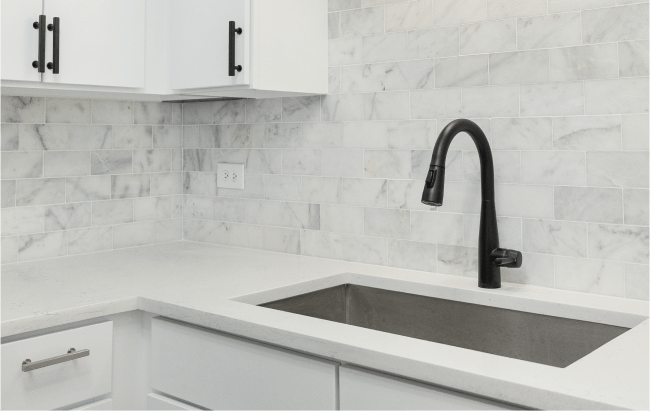
Where many Chicago projects lose a few days is tile delivery and matching lots. If you are using handmade or natural stone tile, order extra and accept variation as part of the charm. Returns and exchanges mid-project are brutal when you are living in dust.
Flooring and stairwells in vintage buildings
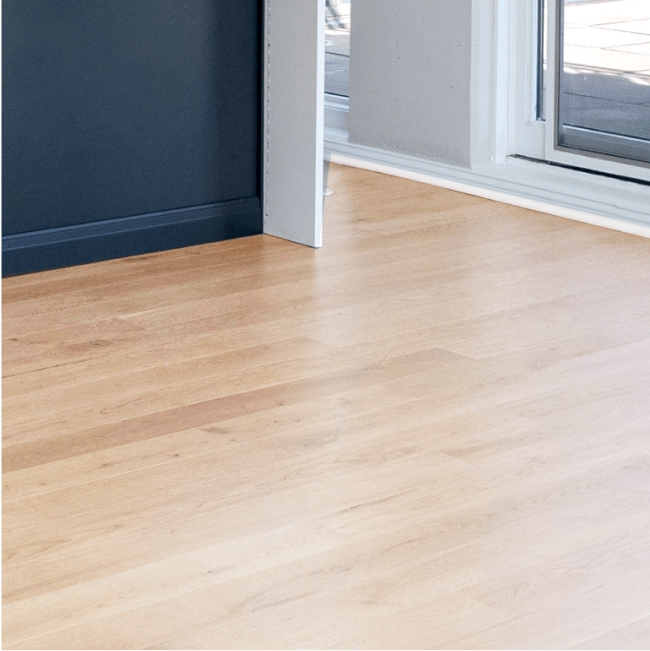
For hardwood floors, ask whether they will be finished before or after cabinet install. Pre-finished floors installed before cabinets speed the finish schedule but risk scratches during cabinet setting. Site-finished floors after cabinets give a perfect continuous look, but they extend the period when you cannot walk through the room. Families who live in place often prefer a hybrid. We install pre-finished flooring, cover it immediately with ram board, then do a final buff and coat after cabinets are in. It shortens downtime and still gives a fresh top coat.
In upper-floor condos and greystones, stairwells can bottleneck deliveries. Measure every turn. Countertops longer than eight feet sometimes cannot make the turn, which is when a mitered seam onsite becomes the practical solution. The right call is usually the one that avoids risky maneuvers with heavy stone in a narrow stairwell.
How Revive 360 Renovations sequences “quiet wins” during the week
When a household is staying put, the Revive 360 Renovations team slides quieter tasks into early mornings and late afternoons. Cabinet adjustments, trim fitting, hardware install, and punch items happen while kids do homework or someone takes a Zoom call. We reserve nail guns, demo hammers, and sawcuts for the middle of the day. We also build mini milestones into the schedule, like reconnecting a temporary sink for the weekend or setting one bank of drawers so you can unpack essentials. Those small restorations of normal life keep the project from feeling endless.
On one South Loop project, the crew finished tiling by Thursday, reconnected the fridge and a temporary hot plate for the weekend, and came back Monday for grout and electrical trims. The homeowners hosted grandparents Saturday night in a semi-functioning space without feeling like they were camping in a construction zone.
Design trends that play nicely with live-in remodels
Top kitchen layout trends for Chicago homes in 2025 lean toward streamlined storage, smarter lighting layers, and islands that do real work. If you are living through the project, choose features that do not require fussy install or maintenance. Soft-close drawers with full extension glides are worth the spend because they deliver everyday function. Under-cabinet lighting on a single switch with warm temperature gives you task light during the remodel and sets the mood after. Panel-ready dishwashers look great but demand perfect cabinet alignment. If your floor is out of level, allow extra time for scribing panels. Waterfall islands look stunning and are feasible in most builds, but bookmatching the stone takes additional templating time and careful handling in tight stairwells.
If you love the look of open shelving, weigh the pros and cons of open shelving in kitchen design with your lifestyle. It gathers dust, but in a live-in scenario, you can stage the shelf wall last and keep items boxed until final clean. For small kitchens, modern design ideas for small spaces like slab doors, light reflective finishes, and integrated pulls reduce visual clutter and make temporary living zones feel calmer.
Safety, pets, and neighbors
Pets are escape artists when workers move in and out. Crate or gate them well away from the jobsite with a double barrier. Add a sign at the construction door reminding crew members about pets. If you are in a multi-unit building, talk to neighbors. Let them know the duration, the noisiest days, and your work hours. That goodwill goes a long way when a compressor kicks on at 10 a.m.
Keep fire safety in mind. Do not run hot plates or toaster ovens on extension cords under rugs. Use grounded outlets and cords rated for the appliance load. Remind the crew where your extinguishers are and confirm their expiration dates. These are small checks that prevent big problems.
The human side of the schedule
Set weekly check-ins. Fifteen minutes on site every Friday with your project lead keeps decisions moving and surprises at bay. Group selections in advance in a single folder: faucet, hardware, lighting trims, grout color, paint. A delay in choosing hardware can stall door drilling and slow painter touch-ups. If you want to choose hardware that complements your kitchen cabinets, bring a few sample pulls and a door sample under different lighting and decide early. That way doors can be drilled and finished in one pass.

Cooking fatigue is real by week four. Build in breaks. Plan two nights a week for takeout from neighborhood spots, and two nights for freezer meals. The rest can be simple hot plate dinners or salads. Everyone stays saner when meals are predictable, even if they are basic.
Post-construction clean, punch list, and the first two weeks back
Expect a thorough clean before you move back into full use. Ask for HEPA vacuuming, damp wipe of all horizontal surfaces, and filter changes. New kitchens settle. Doors need a tweak. A grout line may crack where an old wall moves. Schedule a two-week and a six-week punch visit. Capture small items on a running list and text photos if needed. You will see things at night under task lighting that do not appear in daylight.
If you chose cabinet painting, plan a gentle cure period. Even catalyzed finishes can be delicate the first week. Avoid aggressive cleaners. If you refinished floors, wait for the finish to harden fully before placing rugs, usually seven days. These little bits of patience protect the investment.
When sustainability meets practical living
Eco-friendly kitchen remodeling options matter to many Chicago homeowners. Living through the project shines a light on what sustainability looks like on site. Salvage what you can. Donate intact cabinets to reuse centers. Choose low-VOC paints and adhesives to keep indoor air quality healthy while you are in the home. Induction cooking for the temporary kitchen is energy efficient and safe. LED lighting across the project cuts heat and electricity use. If you are considering luxury vinyl plank versus hardwood for adjacent rooms, weigh the resilience of vinyl during construction against the long-term joy of real wood. In kitchens, tile or engineered hardwood built for moisture is a smart middle path.
A brief note on costs and return in Chicago
The ROI of kitchen remodeling in Chicago depends on neighborhood and scope, but well planned projects that respect layouts and building realities consistently perform better on resale. The best cabinet colors for resale value in Chicago trend toward soft whites, light grays, and natural wood tones. Pairing those with durable quartz and a clean, simple backsplash helps you appeal to a broad buyer base. If you do not plan to sell soon, lean into what makes daily life easier rather than chasing trends. A drawer bank where a blind corner used to be returns more joy than a fashion-forward material that needs coddling.
A realistic planning checklist you can tape to the fridge
- Confirm building rules, permits, and city inspections, then sequence noisy work within allowed hours. Design for minimal plumbing and structural moves unless they unlock major function. Set a temporary kitchen with a two-burner induction, microwave, mini-fridge, and dish bin near a working sink. Commit to dust control: zipper walls, negative air, protected vents, weekly clean. Pre-select hardware, faucets, lighting trims, grout, and paint to avoid mid-project stalls.
What goes right when the plan respects daily life
The projects that feel smooth share common traits. The team treats your home like a place to live, not a jobsite that happens to have a family in it. The schedule has buffers where inspections or deliveries may slip. The design aligns with the building’s constraints. Your temporary kitchen actually works. Communication stays steady. When Revive 360 Renovations leads a live-in remodel, the crew thinks in both directions, from final photos back to demolition, and from your morning coffee forward to the last knob. That habit is why the living-in part feels lighter than you expect.
Remodeling a kitchen while you live in the home is not a test of endurance. It is a logistics exercise wrapped around a design problem, set inside the bones of a Chicago building that has its own past. If you map the logistics as carefully as you pick the tile and lighting, the weeks you spend living with zipper doors and ram board will feel purposeful. Your future routines will thank you for it.